Generative AI Boom Reshaping Careers: Opportunities Rise Amid Job Disruption

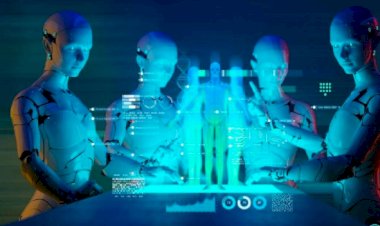
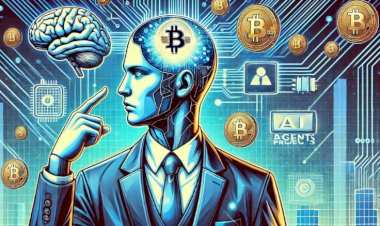
Generative AI is rapidly emerging as one of the most transformative forces in the global job market, redefining how careers are built, skills are valued, and opportunities are created. In 2026, the demand for professionals skilled in AI—especially generative AI tools like large language models and AI agents—has surged across industries including technology, healthcare, finance, and marketing. Reports indicate that companies are increasingly prioritizing candidates with AI-related expertise, even as overall hiring slows, making AI skills a critical differentiator for job seekers. (Indeed Hiring Lab Australia) At the same time, industry leaders highlight that AI is not just replacing jobs but also creating new ones, with hundreds of thousands of roles emerging globally as businesses scale AI-driven operations. (The Times of India) This shift is pushing professionals—from fresh graduates to experienced workers—to upskill in areas such as prompt engineering, machine learning, and AI product development to remain competitive in the evolving workforce.
However, the rise of generative AI is not without challenges. While new opportunities are being created, traditional entry-level roles are shrinking as automation takes over routine tasks, particularly in sectors like IT services, legal work, and outsourcing. (Axios) This has led to a significant shift in career paths, with many young professionals turning toward freelancing, entrepreneurship, and AI-assisted work models instead of conventional jobs. (The Guardian) Interestingly, entirely new career domains are also emerging—such as AI ethics specialists, where even non-technical graduates like philosophy majors are now securing high-paying roles in top AI companies to guide responsible AI development. (Business Insider) Experts suggest that up to 50% of jobs will be reshaped—not eliminated—by AI in the coming years, emphasizing the importance of adaptability and continuous learning. (BCG Global) As generative AI continues to evolve, it is clear that the future of careers will revolve around human-AI collaboration, where those who learn to work alongside intelligent systems will unlock the most significant opportunities in the digital economy.