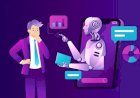
Is AI Dangerous and Will It Replace Human Power?

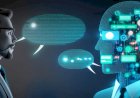
As artificial intelligence (AI) continues to evolve at an unprecedented pace, it brings with it both groundbreaking opportunities and profound concerns. One of the most debated questions today is: Is AI dangerous? And if so, will it replace human power in the workforce and society?
The answer is complex, lying at the intersection of technological capability, ethical responsibility, and social adaptation.
Understanding the Scope of AI
Artificial Intelligence, particularly in forms like generative AI, machine learning, and robotics, is designed to mimic human-like problem-solving, decision-making, and creative processes. From automating customer service to assisting in medical diagnoses, AI is already reshaping industries across the globe.
But as AI grows more powerful, so do the concerns around its implications.
Why AI Is Considered Dangerous by Some Experts
1. Job Displacement
AI has the potential to automate tasks traditionally performed by humans. Sectors like manufacturing, logistics, customer support, and even software development are seeing increasing AI-driven automation, leading to fears of widespread job loss.
2. Lack of Regulation and Ethical Framework
AI systems can act on biased data, make opaque decisions, or be misused for surveillance and misinformation. Without proper oversight, the risks include:
-
Discriminatory outcomes
-
Privacy violations
-
Algorithmic manipulation
3. Autonomy and Control
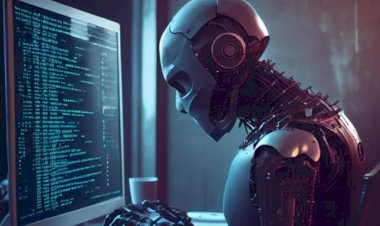
Advanced AI systems capable of making independent decisions raise concerns about loss of human control, especially in critical areas like military technology, law enforcement, or finance.
4. Misinformation and Manipulation
Generative AI tools can produce realistic fake content—deepfakes, false news articles, and manipulated images—which can mislead the public and influence elections or societal opinions.
Can AI Replace Human Power Completely?
Despite its power, AI is not a replacement for human intelligence or emotion. Here's why:
-
AI lacks emotional intelligence, creativity, ethics, and moral reasoning—traits deeply human and essential in areas like leadership, healthcare, education, and the arts.
-
AI is task-specific; it performs well under clear rules and goals but struggles with ambiguity, empathy, and subjective decision-making.
-
AI systems are created, trained, and maintained by humans. They require human oversight to remain safe, ethical, and relevant.
Instead of replacing humans, AI should be seen as a tool that augments human abilities, enabling faster analysis, better insights, and more efficient processes.
The Way Forward: Coexistence and Responsibility
AI’s role in the future will be defined not by the technology itself, but by how we choose to govern and apply it. A responsible approach requires:
-
Reskilling and upskilling the workforce to adapt to AI-powered tools.
-
Establishing ethical guidelines and regulations to prevent misuse.
-
Focusing on human-AI collaboration, where technology supports human decision-making, not replaces it.
Conclusion
AI, like any powerful tool, comes with both risk and reward. It has the potential to elevate human capabilities but also poses serious challenges if left unchecked. The question is not whether AI will replace humans, but rather—how can humans harness AI to build a better, fairer, and more innovative future?
The answer lies in balance: empowering technology while safeguarding human values.