AI Models in the Fashion Industry: Transforming Creativity and Innovation
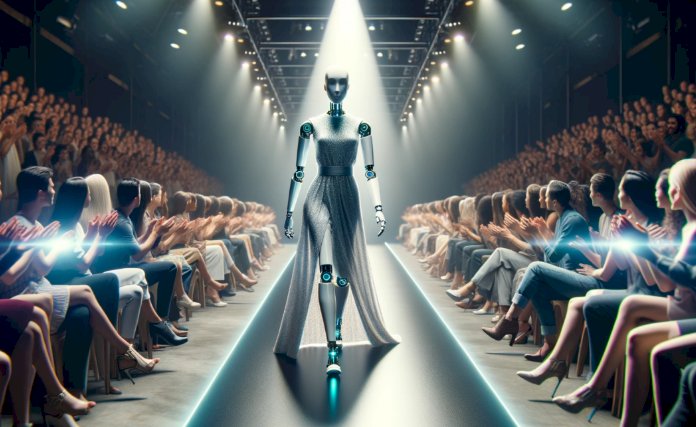
The fashion industry, traditionally driven by creativity and human intuition, is undergoing a massive transformation with the integration of Artificial Intelligence (AI). From predicting style trends to designing collections and optimizing supply chains, AI models are helping brands innovate faster while staying competitive in a rapidly evolving market. Far from replacing designers, these technologies are becoming vital collaborators, enabling the industry to blend artistry with data-driven insights.
1. AI in Trend Forecasting
Fashion thrives on anticipating what consumers will want next season, and AI is revolutionizing this process. Machine learning models can analyze millions of data points, including social media activity, online searches, and retail sales, to predict which colors, fabrics, and styles will trend. Unlike traditional forecasting methods that rely on past data and manual analysis, AI offers real-time insights, enabling brands to adapt quickly to changing consumer preferences. Companies like Zara and H&M are already leveraging AI-driven trend prediction to stay ahead of the curve.
2. AI-Assisted Design and Creativity
Generative AI models are now capable of creating new patterns, sketches, and even full clothing designs. Designers use AI tools like DALL·E, MidJourney, and custom fashion-specific platforms to generate fresh concepts, experiment with textures, and visualize collections before physical samples are made. This speeds up the design cycle, reduces costs, and allows brands to test multiple ideas without committing to large production runs. Importantly, designers remain at the center, using AI as a creative partner rather than a replacement.
3. Personalized Shopping Experiences
AI is also transforming how consumers discover and buy fashion. Recommendation engines powered by machine learning study user behavior, body type data, and style preferences to suggest personalized outfits. Virtual try-on tools, enabled by AI and augmented reality (AR), allow shoppers to visualize how clothes will look on them before purchasing, reducing returns and boosting customer satisfaction. Retail giants and e-commerce platforms are integrating these models to make shopping more interactive and tailored.
4. Sustainable and Efficient Production
Sustainability is one of the biggest challenges in the fashion industry, and AI is helping address it. By analyzing production data, demand forecasts, and inventory levels, AI models optimize manufacturing to minimize waste. Predictive analytics ensures that brands produce only what is likely to sell, avoiding excess inventory that often ends up in landfills. AI is also used in material science, helping to develop eco-friendly fabrics and streamline supply chains for lower carbon footprints.
5. Future Outlook: Human-AI Collaboration
While some fear that AI might replace human roles, the reality is that it’s enhancing, not eliminating, creative and operational functions. Designers gain tools to explore innovative ideas, retailers can offer hyper-personalized experiences, and manufacturers achieve greater efficiency. The key lies in collaboration—where AI handles data-heavy analysis and repetitive tasks, allowing humans to focus on originality, storytelling, and brand identity.
Conclusion
AI models are not just a passing trend in the fashion industry; they’re reshaping every step of the value chain. From concept to consumer, AI-driven tools are making fashion faster, more sustainable, and more personalized. As the technology evolves, brands that embrace this fusion of art and AI will lead the industry into a future where creativity and technology thrive together.