AI Chatbots Enter a New Era of Human-Like Interaction and Business Transformation
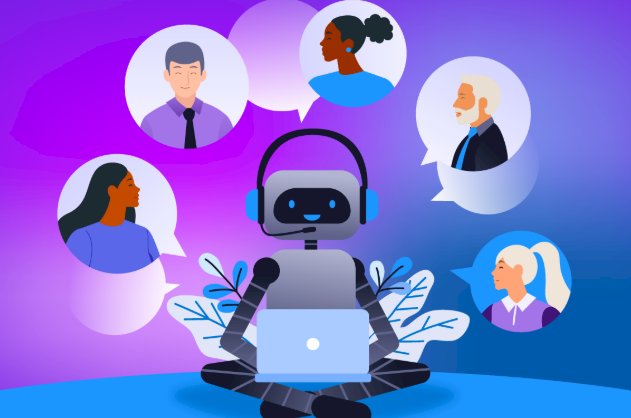
Artificial Intelligence chatbots are rapidly evolving beyond basic customer service tools, becoming sophisticated digital assistants capable of transforming industries. The latest advancements in natural language processing, machine learning, and multimodal AI have enabled chatbots to deliver more human-like interactions, greater contextual understanding, and highly personalized experiences. As organizations worldwide seek efficiency and improved customer engagement, AI chatbots are no longer seen as optional add-ons but as critical components of modern digital strategies.
One of the most significant breakthroughs in 2025 is the integration of generative AI models into chatbot platforms, allowing bots to go beyond scripted responses. Instead of following rigid rules, these chatbots can understand intent, predict user needs, and generate contextually relevant answers in real time. Businesses are leveraging these capabilities to provide instant technical support, assist with complex product inquiries, and even offer personalized shopping recommendations. This shift has reduced reliance on human agents for routine tasks, freeing teams to focus on higher-value customer interactions and problem-solving.
The financial sector has been among the fastest to adopt the new wave of AI chatbots. Banks and insurance companies are deploying intelligent assistants that help customers manage accounts, detect fraudulent activity, and explain financial products in simple terms. Healthcare is also experiencing transformation, with chatbots being trained to handle appointment scheduling, patient follow-ups, and even initial health screenings. In e-commerce, companies are witnessing increased conversions as chatbots engage with customers through interactive product demos, personalized offers, and post-purchase support.
Another major development is the integration of voice and visual recognition into chatbot systems. Multimodal chatbots can now respond to both text and voice inputs, analyze images shared by users, and provide solutions accordingly. For example, a customer can upload a photo of a damaged product and the chatbot can initiate a return process instantly. In the travel industry, bots can now recommend destinations by analyzing user preferences expressed in both text and voice, offering dynamic travel itineraries that update in real time.
The corporate demand for data-driven insights has also fueled chatbot innovation. Modern AI assistants are equipped with powerful analytics engines that monitor conversations, identify customer sentiment, and highlight recurring issues. This enables organizations to improve products and services based on direct customer feedback while maintaining a seamless support experience. Furthermore, the integration of AI chatbots with enterprise systems such as CRMs, HR platforms, and ERP solutions ensures that businesses can automate internal workflows, from employee onboarding to IT support.
Despite these advancements, challenges remain. Data privacy, ethical use of AI, and potential job displacement are ongoing concerns. Businesses must ensure that chatbot systems comply with international data protection regulations and are transparent in their interactions. Moreover, experts emphasize the importance of maintaining a balance between automation and human empathy, as certain sensitive conversations still require human intervention.
Looking ahead, AI chatbots are expected to become more proactive, anticipating customer needs before they are explicitly expressed. With the rise of emotionally intelligent AI, chatbots will not only respond to queries but also adjust tone, style, and recommendations based on the user’s mood. This evolution will bring businesses closer to offering seamless, human-like digital experiences at scale.
In just a few years, chatbots have grown from simple automated responders to powerful AI-driven platforms shaping customer experience, operational efficiency, and business intelligence. As industries continue to embrace this technology, 2025 marks the beginning of a new era where AI chatbots are no longer a futuristic concept but an everyday necessity driving competitive advantage.